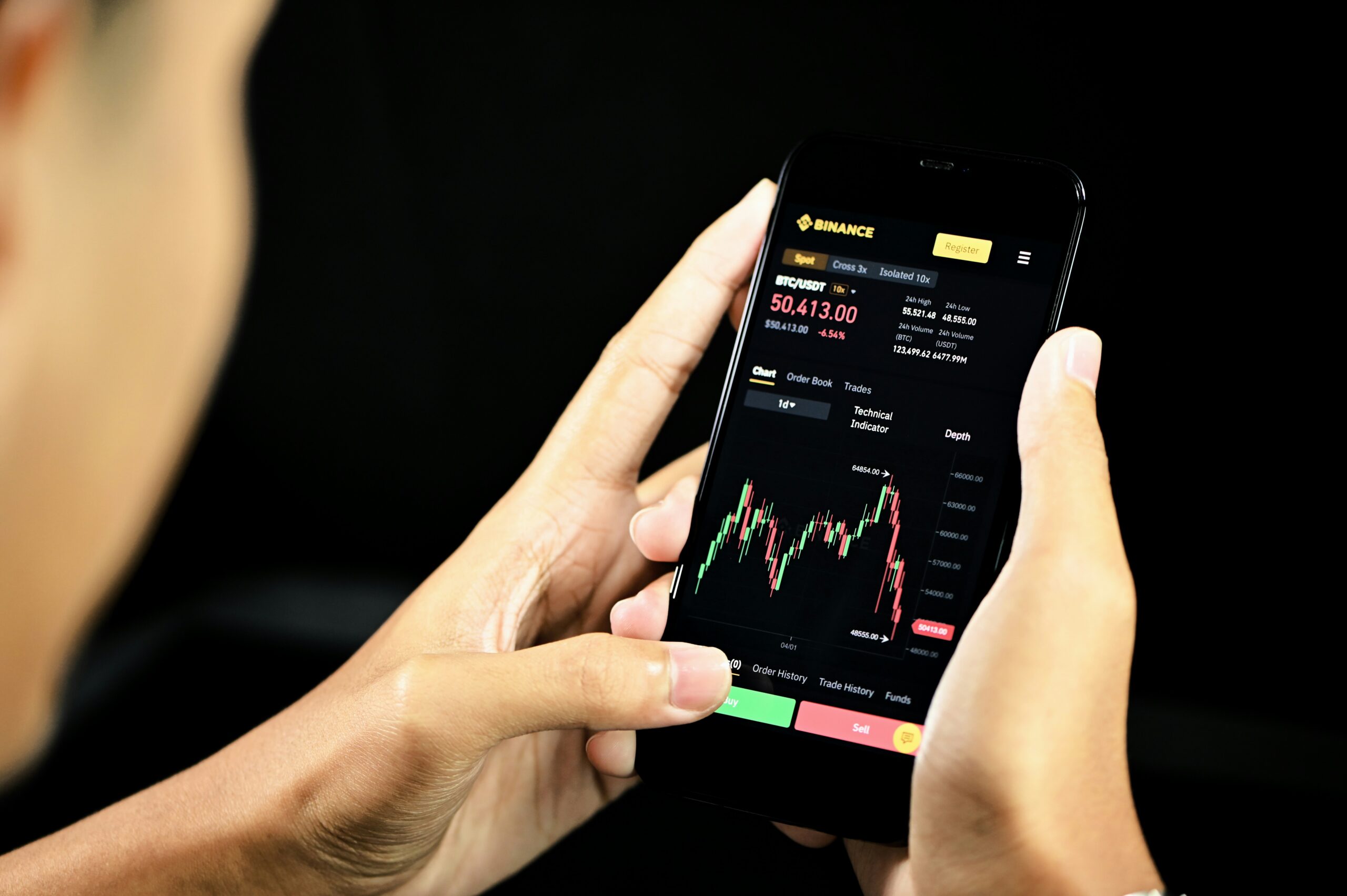
Imagine a Monday morning in 2026. Your first glance isn’t at a cluttered phone screen of disparate apps, but at a single, serene interface. It informs you that your automated investment round-up from last week’s coffee purchases has just been allocated to a new green energy ETF, your resting heart rate variability is optimal for a high-focus work session, and your pantry’s smart inventory suggests a salmon dinner to balance your elevated cortisol trends from Sunday’s travel. This is not science fiction; it is the emerging reality of the AI-personalized dashboard, a unified command center where the once-separate domains of personal finance and holistic health converge into a single stream of actionable intelligence.

Driven by advances in machine learning, open banking APIs, and wearable biosensor integration, these platforms are moving beyond simple tracking to become predictive life partners. They represent a paradigm shift from reactive management to proactive optimization of our two most vital assets: capital and vitality. For the affluent professional, the value proposition is profound—not just in time saved, but in the compound interest of better decisions, both financial and physiological.
From Silos to Symphony: The Architecture of Integration
The power of these dashboards lies in their ability to synthesize data from historically isolated sources. On the financial front, they connect securely with premier private banking institutions, multiple brokerage accounts, premium rewards credit cards, and even cryptocurrency wallets. Concurrently, on the health side, they ingest real-time data from next-generation wearables (tracking glucose, blood pressure, and advanced sleep stages), DNA methylation reports from concierge wellness clinics, and logged nutrition from smart kitchen devices.
The AI’s genius is in finding correlations invisible to the human eye. “We’ve moved from descriptive analytics to prescriptive synergy,” explains Dr. Anya Sharma, a computational biologist at the MIT Media Lab. “The system might observe that your discretionary spending spikes correlate with elevated stress biomarkers and poor sleep efficiency. Instead of just showing you three separate charts, it can prompt a behavioral nudge—like automatically rounding up those ‘stress-spend’ transactions into a dedicated ‘mental health fund’ for a future luxury wellness retreat—turning a potential negative into a future positive investment.”
Financial Optimization: Beyond Budgeting to Capital Allocation
The financial module of a 2026 dashboard is a far cry from the budgeting tools of a decade ago. Leveraging permissioned access to your complete financial footprint, its AI acts as a 24/7 personal chief financial officer. It doesn’t just categorize spending; it analyzes cash flow for optimal capital allocation.
For instance, it can dynamically advise on debt strategy, simulating whether extra capital should go toward a mortgage prepayment or a tax-advantaged investment account based on live interest rate environments. It can identify subscription creep and negotiate better rates on your behalf with luxury travel insurance providers or telecom services. For the investor, it provides a unified risk assessment across all holdings, flagging over-concentration and suggesting rebalancing into thematic funds aligned with your stated values, such as longevity biotech or sustainable real estate.
Health Intelligence: From Diagnostics to Predictive Vitality
Similarly, the health dashboard transcends step counting. It builds a dynamic “vitality index” by modeling hundreds of data points. By 2026, continuous, non-invasive monitoring of metabolic markers is commonplace. The AI cross-references your biometric response to different foods, sleep patterns, and exercise regimens, learning your unique physiology.
“The question has shifted from ‘What’s wrong with me?’ to ‘What is my body’s optimal state, and how do I get it there?’” says Felix Chen, CEO of Vitasync, a leading dashboard platform. “The system might notice a subtle decline in your deep sleep wave patterns and, knowing your calendar shows a high-stakes negotiation tomorrow, recommend a specific bespoke mindfulness app session and adjust your smart home’s evening lighting schedule. It’s about optimizing for performance and resilience.”
The High-Value Convergence: Where Finance Meets Physiology
The most profound insights—and the core of the value proposition for discerning users—emerge at the intersection of the two data streams. This is where the dashboard evolves from a management tool to a strategic life-planning ally.
Quantifying the ROI of Wellness
These platforms can begin to attach financial implications to health choices. By analyzing your health data alongside your productivity metrics (with permission) and income patterns, they can model the potential long-term career and investment return of investing in your health. For example, it might project the net present value of engaging a personalized nutritionist or joining an exclusive executive health club, based on the predicted impact on your cognitive sharpness, energy levels, and reduced sick days.
Lifestyle-Driven Financial Planning
Conversely, your financial goals directly inform health recommendations. If your dashboard understands you’re saving aggressively for a luxury second-home purchase in three years, its health AI might prioritize cost-effective, high-efficacy wellness protocols over expensive boutique options. It can source highly-rated local fitness trainers and compare their rates and client outcomes, or recommend seasonal, nutrient-dense foods that align with both your budget and vitality goals.
Navigating the Pitfalls: Privacy, Parity, and Personal Autonomy
This hyper-personalized future is not without its significant ethical and practical challenges. The aggregation of such sensitive financial and health data creates a tantalizing target for cyber threats. Reputable platforms now employ bank-level encryption, decentralized data storage, and user-controlled permission keys as standard.
A more subtle risk is algorithmic bias and the “quantified self” anxiety. When every heartbeat and dollar is measured, the potential for obsessive optimization looms. The most sophisticated 2026 dashboards include “well-being guardrails”—features that encourage digital detox, frame data in a holistic context, and remind the user that the metrics are in service to a life well-lived, not the other way around. The question of access also remains critical; this technology risks creating a new divide between those who can optimize their lives with AI and those who cannot.
The 2026 Outlook: A Frictionless Future of Personalized Stewardship
As we look ahead, the trajectory points toward even greater integration and anticipatory intelligence. We are seeing the first integrations with bespoke travel itineraries, where your dashboard pre-orders meals aligned with your nutritional profile and schedules recovery days based on your circadian rhythm. In wealth management, forward-thinking family office services are using adapted versions of this technology to model the long-term impact of lifestyle choices on multi-generational trust funds and estate planning.
The end goal is a frictionless stewardship of self. The AI-personalized dashboard of 2026 is not about creating more work for the user; it is about offloading the cognitive load of a million small decisions to a system designed with your explicit, compound goals in mind. It promises a future where our resources—both monetary and physical—are not just managed, but masterfully orchestrated to build a richer, healthier, and more resilient life. The ultimate investment, it turns out, is one that seamlessly blends portfolio performance with human potential.
Photo Credits
Photo by Kanchanara on Unsplash

•
Leave a Reply