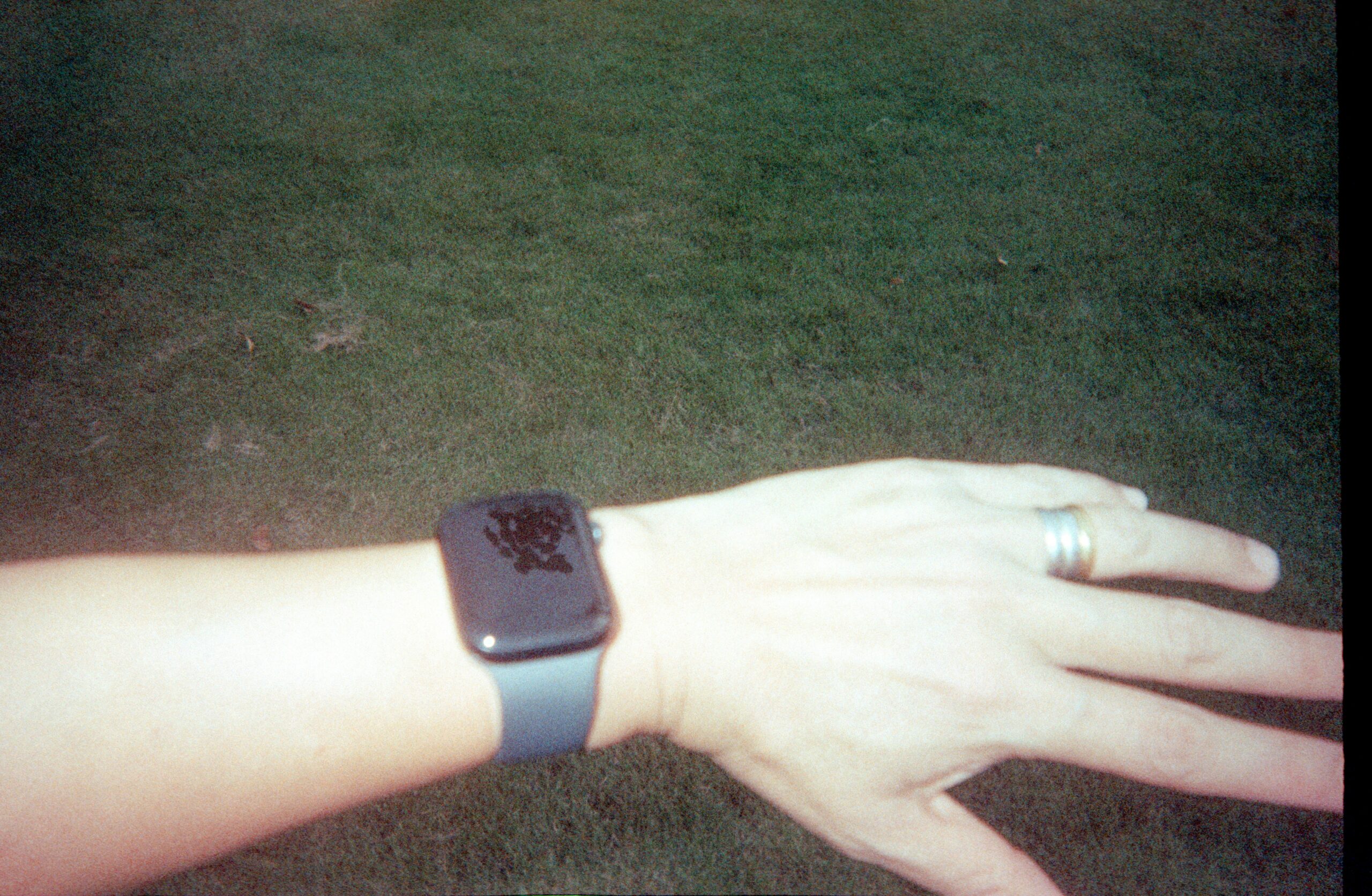
For years, the promise of wearable technology lowering your health insurance premiums felt like a distant, slightly gimmicky future. The early days of step-counting for a paltry annual discount were more about engagement than genuine financial transformation. But as we move through 2026, a profound shift has occurred. The convergence of hyper-accurate biometric sensors, sophisticated AI-driven risk modeling, and a fundamental change in insurer philosophy has turned wearable health tech from a wellness accessory into a powerful financial instrument. We are now in an era where your personal health data stream is becoming a direct lever for capital allocation, capable of significantly reducing your annual insurance outlay. This isn’t about gamification; it’s about a data-driven renegotiation of your individual risk profile.

The New Actuarial Science: From Population Averages to Personal Realities
Traditionally, health, life, and even auto insurance premiums have been calculated using broad actuarial tables. Your rate was based on group averages for your age, gender, location, and declared habits. This blunt instrument meant the conscientious 45-year-old marathon runner often subsidized the sedentary smoker of the same age, simply because they shared a demographic bracket. The inefficiency was baked into the model.
Today, leading premier health insurance providers and innovative life insurance carriers are leveraging continuous, verifiable data from advanced wearables to create dynamic, personalized risk assessments. “We’ve moved from assessing risk based on what you tell us you do, to underwriting based on what the data shows you actually do,” explains Dr. Anya Sharma, Chief Data Officer at a major health and wellness insurance consortium. “This creates a fairer system and aligns financial incentives directly with health-positive behaviors.”
The 2026 Wearable Ecosystem: Beyond the Step Count
The devices powering this revolution are a far cry from the basic fitness trackers of a decade ago. To qualify for serious premium incentives, insurers now partner with platforms that offer medical-grade insights.
- Continuous, Clinically-Validated Monitoring: Modern devices provide FDA-cleared ECG, blood pressure trends, nocturnal blood oxygen saturation, and even non-invasive glucose monitoring. This data offers a panoramic view of cardiovascular and metabolic health.
- Behavioral Biomarkers: It’s not just physiology. AI algorithms analyze patterns in sleep architecture (deep, REM, light sleep), recovery heart rate, and even gait stability to assess overall systemic resilience and fall risk.
- Passive Adherence Tracking: For individuals with chronic conditions, connected inhalers, pill bottles, and biosensors automatically confirm medication adherence, a key metric for insurers managing high-cost claims.
This rich data tapestry allows for a nuanced understanding of an individual’s health trajectory that was previously impossible.
How Do You Actually Secure Lower Premiums?
The mechanism is typically structured as a participation program, often integrated with a comprehensive wellness rewards platform. Here’s how it works for a typical user in 2026:
- Enrollment & Device Syncing: You opt into a program offered by your insurer, often receiving a subsidized device or certifying your existing compatible wearable (e.g., latest-generation smart rings, advanced smartwatches).
- Data Sharing & Goal Setting: You grant permission for specific, anonymized data streams to be analyzed. Instead of vague “get healthy” goals, you might agree to maintain a resting heart rate below a certain threshold, achieve 80% sleep consistency, or complete a prescribed digital physical therapy program for back pain.
- Earning Incentives: Your performance is measured against scientifically-backed benchmarks. Meeting these “health milestones” translates directly into points, tier advancements, or cash-back rewards applied to your premium. The most successful programs see annual premium reductions of 10-20%, with some high-performance life insurance policies offering even greater benefits.
The Privacy Paradigm: Navigating Data for Discounts
The elephant in the room is, and always has been, data privacy. In 2026, regulatory frameworks like the expanded GDPR and U.S. federal health data laws have created clear guardrails. Reputable insurers are transparent: your raw health data is not sold. It is used in a highly secure, aggregated, and anonymized form to refine their risk models and to calculate your specific rewards.
“The key for consumers is to read the data-sharing agreement meticulously,” advises Michael Chen, a fintech privacy attorney. “Look for programs that use on-device processing, share only derived insights (like a ‘cardiovascular health score’ instead of every heartbeat), and allow you to pause sharing without penalty. The best insured wellness technology partnerships operate on principles of transparency and user control.”
Case Study: The Proactive Prevention Model
Consider “James,” a 52-year-old enrolled in his insurer’s premium tier program. His wearable’s AI detected subtle, consistent irregularities in his nighttime breathing and heart rate variability—patterns suggestive of nascent sleep apnea. The program’s virtual health concierge service flagged this insight and prompted a low-cost, at-home sleep study. Confirmed with mild apnea, James was provided with a connected CPAP machine. His adherence to therapy, verified passively, improved his health metrics and kept his condition from worsening into a high-cost medical event. His reward? His premium remained locked at a “low-risk” tier, saving him over $1,800 annually while potentially adding years to his life.
Beyond Health Insurance: Auto, Life, and the Quantified Driver
The ripple effects extend far beyond medical coverage. Telematics-based auto insurance has matured, with insurers now considering holistic health data as a proxy for driver alertness and reaction time. Data showing consistent, high-quality sleep patterns can complement good driving behavior scores for maximum discounts.
In life insurance, the impact is even more profound. Applicants can now undergo a “digital underwriting” process, sharing six months of wearable data instead of a one-time medical exam. This can reveal a trend of improving health, allowing individuals to qualify for preferred “elite health” rates that were previously inaccessible. For those seeking comprehensive financial planning services, this creates new opportunities to integrate health capital into long-term estate and retirement strategies.
The Future Outlook: Integration and Personalization
Looking ahead, the trend is toward deeper integration. We are seeing the rise of the holistic financial wellness platform, where your health data, financial products, and even retirement savings projections are interconnected. Imagine a dashboard where improving your metabolic age through verified activity automatically adjusts your projected healthcare costs in retirement, suggesting optimal HSA contributions.
The next frontier is predictive care nudges. Insurers have a financial incentive to keep you healthy. The most advanced programs are evolving into true health partners, offering access to bespoke nutritional guidance services and on-demand mental fitness apps at no extra cost, proactively managing risks before they become claims.
Key Takeaways for the Savvy Consumer in 2026
- Due Diligence is Non-Negotiable: Research your insurer’s specific program details, data usage policies, and the actual financial upside. Not all programs are created equal.
- Device Compatibility Matters: Ensure your wearable is on the insurer’s approved list and provides the clinical-grade data required for meaningful incentives.
- Consistency Over Perfection: The algorithms reward sustained, positive trends. A week of perfect data is less valuable than six months of 80% adherence to healthy baselines.
- Think Holistically: Explore how health data incentives can apply across your insurance portfolio—health, life, and auto—for compounded savings.
The quantified self has finally found its most tangible reward. In 2026, wearable health technology has matured into a sophisticated bridge between personal behavior and financial benefit. By voluntarily sharing verifiable proof of a healthy lifestyle, individuals are empowered to break free from generic risk pools and command insurance premiums that truly reflect their personal health capital. This data-driven pact, built on transparency and mutual benefit, represents nothing less than a fundamental modernization of the centuries-old insurance contract.
Photo Credits
Photo by DL314 Lin on Unsplash

•
Leave a Reply